Behavioral Nudges and Consumer Intent Modeling in AI-Mediated Choice Architectures
STARTUP: VANDRA AI
Behavioral Nudges and Consumer Intent Modeling in AI-Mediated Choice Architectures
RESEARCH & DESIGN VANDRA AI
THE CHALLENGE
Understand how AI-mediated choice architectures can reduce friction and help users act on existing purchase intent—without manipulating or overriding user choice—particularly in high-choice e-commerce environments.
ROLE
Behavioral / UX Designer, User Researcher
THE OUTCOME
An AI-driven behavioral nudging system that used consumer intent modeling to selectively surface context-aware choice architectures in e-commerce. Deployed across 20+ brands, the system increased conversion rates by up to 30%, with social-media and discount nudges performing best—particularly for low-intent users—by reducing uncertainty and friction while preserving transparency and user control.
This project explored how AI-mediated choice architectures can support consumer decision-making without overwhelming users or eroding trust. In e-commerce environments, users often abandon purchases not due to lack of interest, but because of friction, uncertainty, or cognitive overload. Our goal was to design behavioral nudges that respond to where a user is stuck—and surface the right intervention at the right moment.
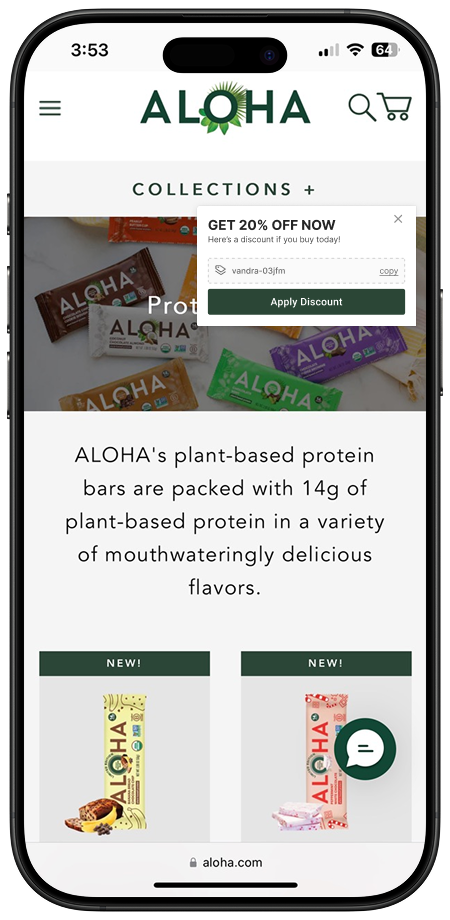
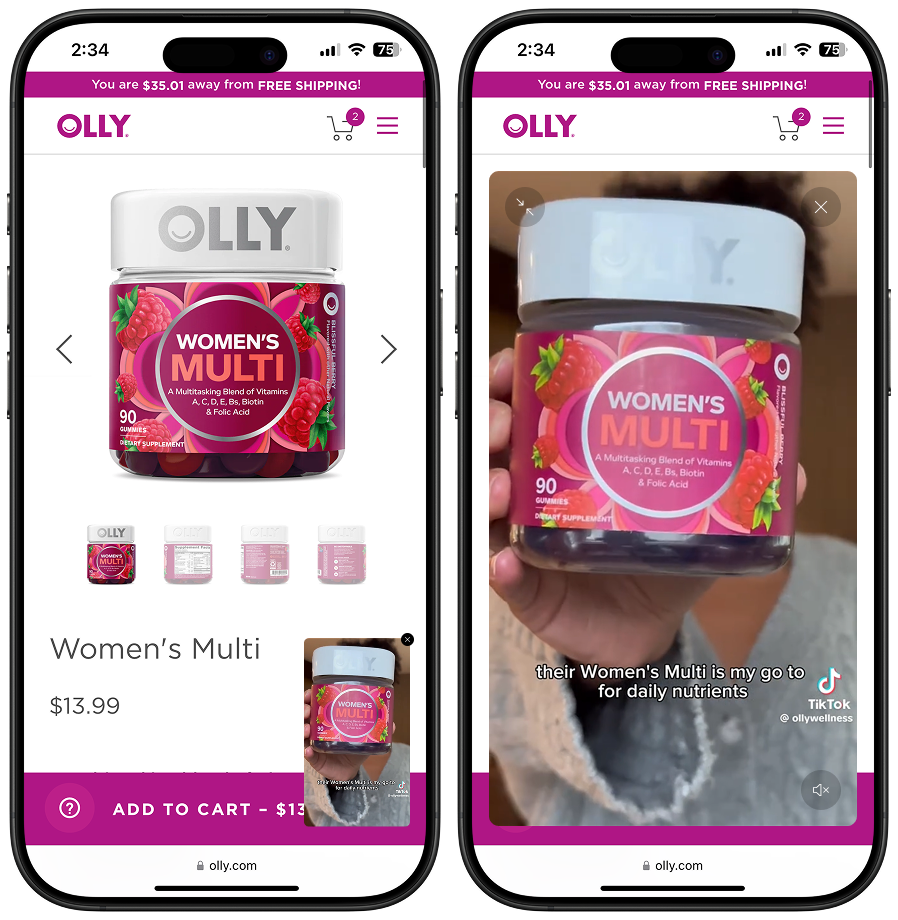
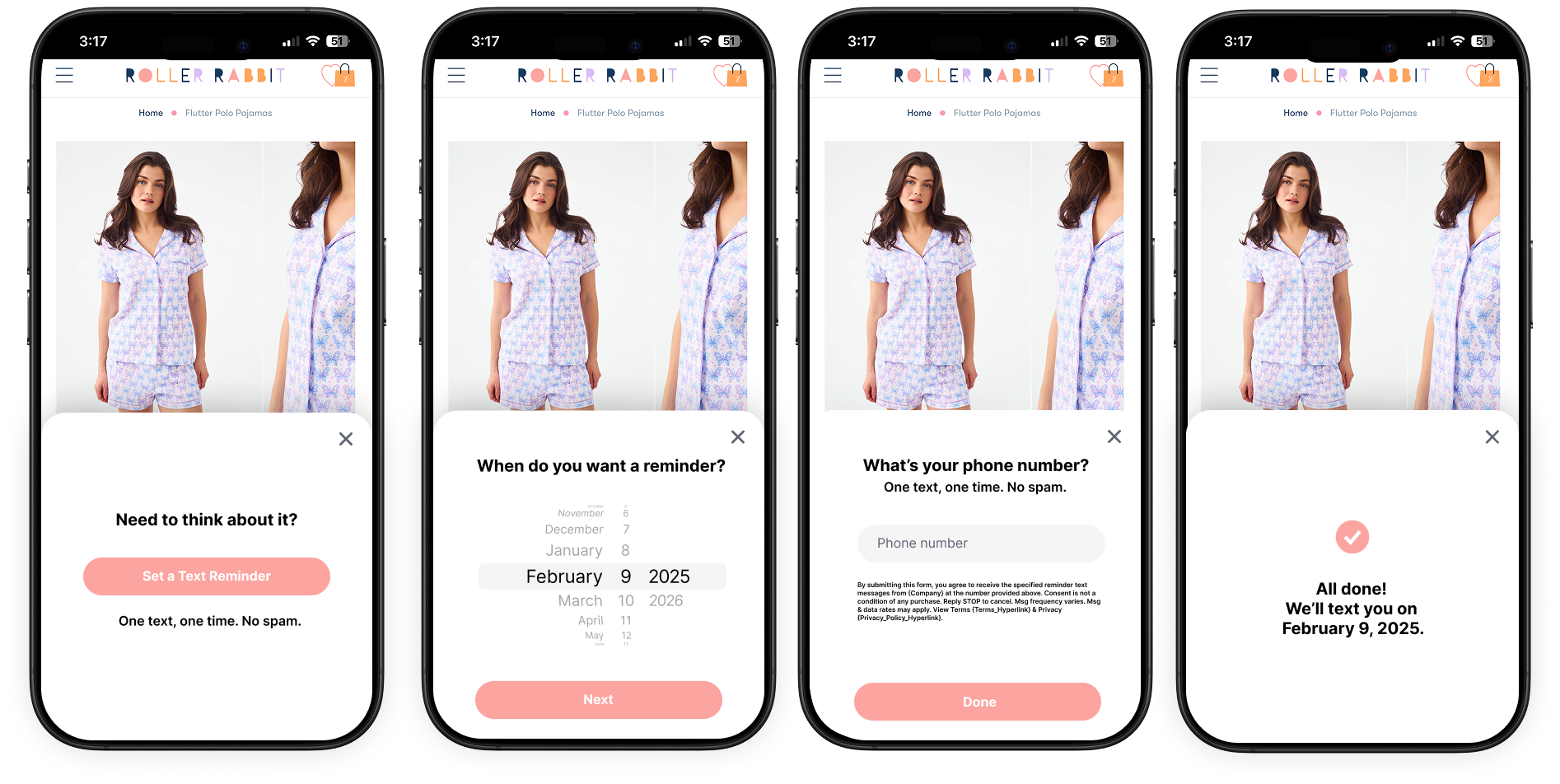
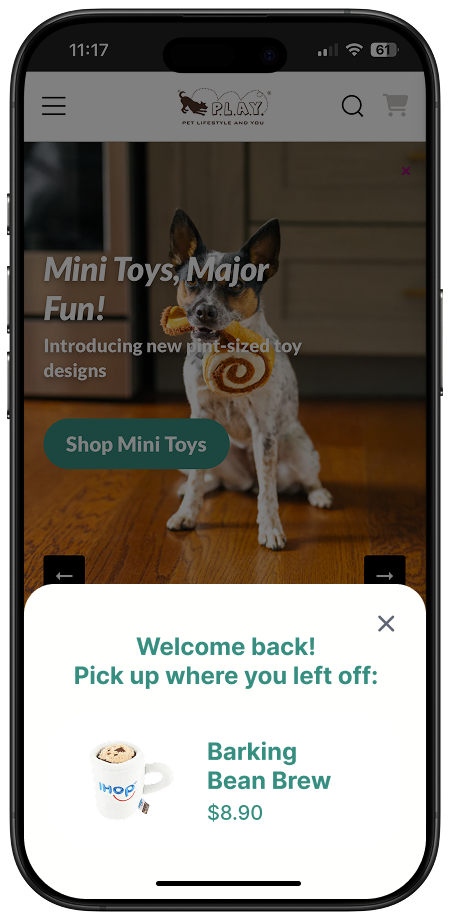
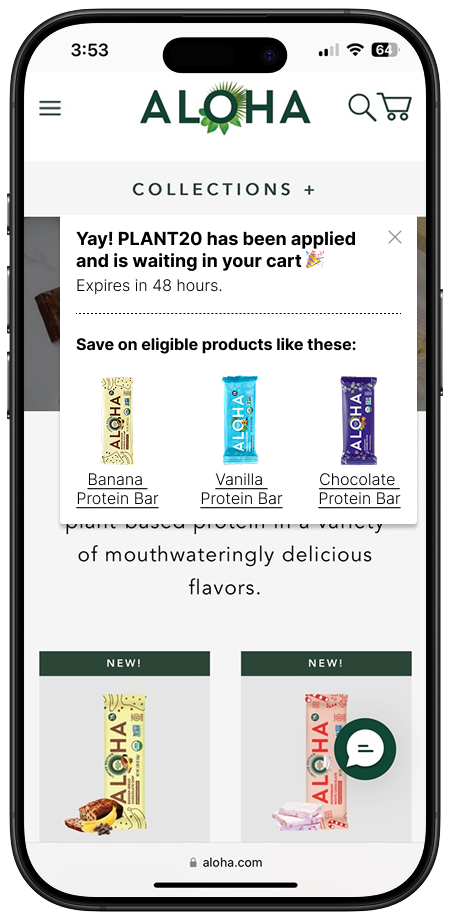
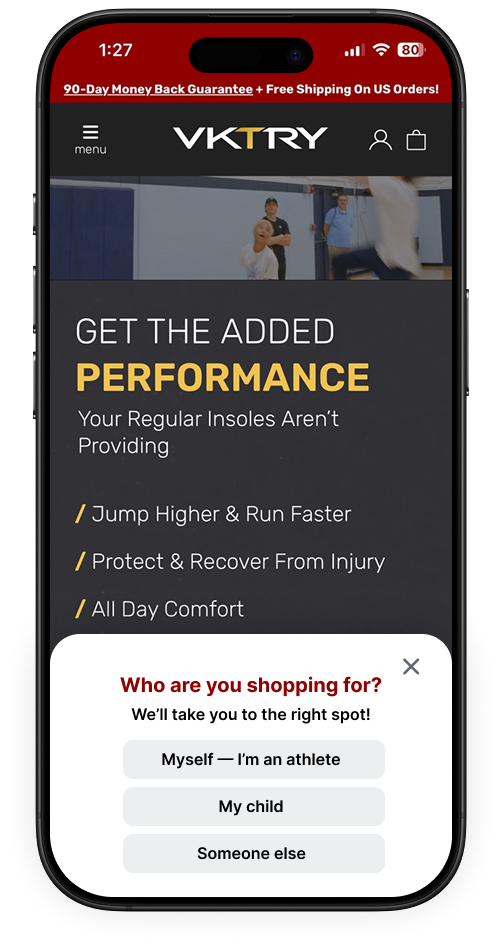
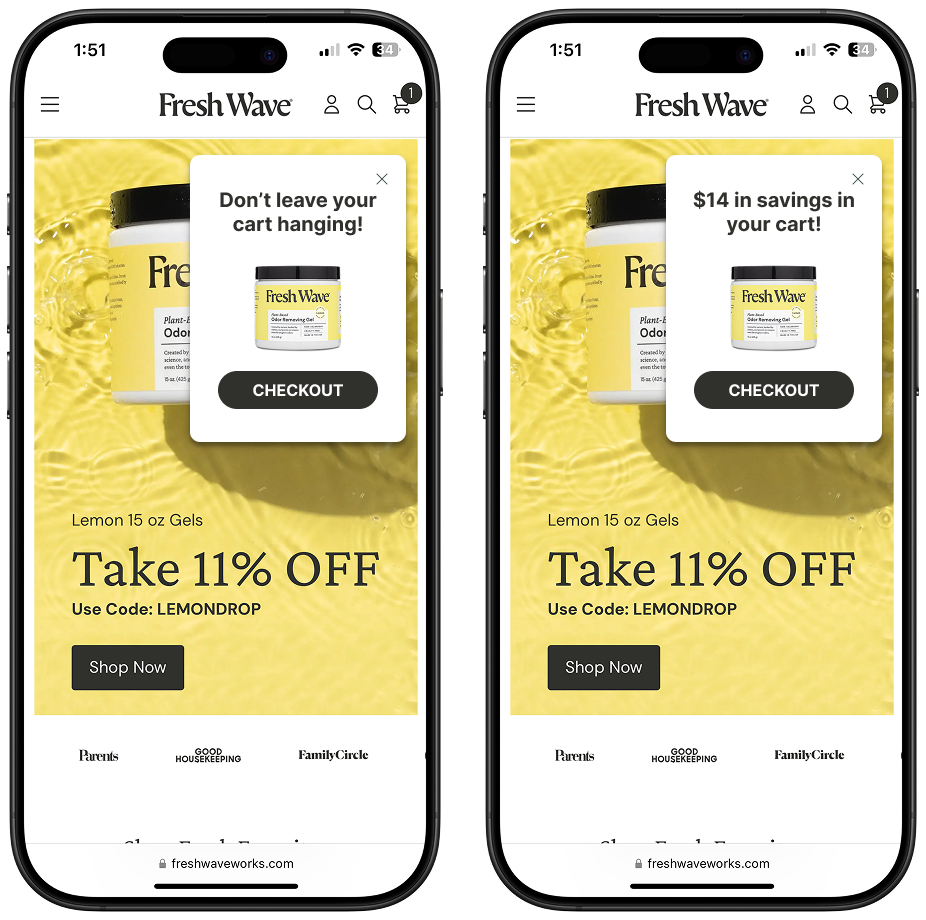
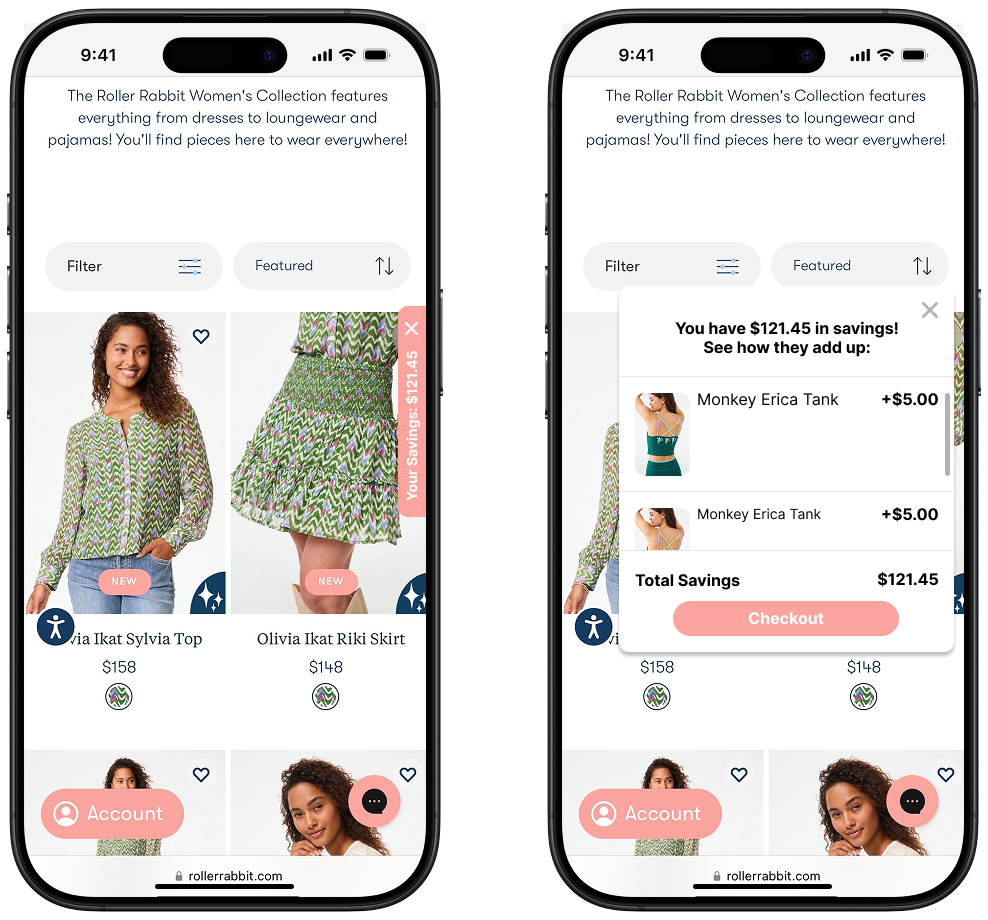
At Vandra, I led the design and research of a suite of behavioral nudges informed by behavioral economics and consumer psychology, including discount nudges, social proof via social-media content, cart-abandonment reminders, navigational nudges, “pick up where you left off” prompts, discount reinforcement nudges that clarified which products were eligible for an already-applied offer, savings aggregation, and reminder-setting flows. Importantly, each nudge was designed around a specific behavioral hypothesis (e.g., reducing friction, increasing salience, reinforcing mental accounting, or providing social proof).
These interventions were selectively surfaced by an ML model trained on ~240 behavioral and contextual parameters to estimate purchase intent. Importantly, margin-impacting nudges (e.g., discounts) were shown only to users least likely to convert, preserving revenue while increasing overall conversion.
Results showed that social-media nudges and discount nudges consistently performed best, increasing conversion rates by up to 30%, while cart-abandonment nudges drove meaningful incremental recovery. Across 20+ partner brands—including ALOHA, OLLY, and Roller Rabbit—the system generated millions of dollars in incremental revenue, with individual merchants seeing six-figure increases in annualized sales attributable to nudge-driven conversions.
Discount nudges were most effective when surfaced to low-intent users, suggesting that targeted price incentives can meaningfully shift purchase decisions when users are otherwise unlikely to convert—supporting the use of intent modeling to protect margins while increasing overall conversion. Social-media nudges performed strongly by making products feel more concrete and trustworthy, allowing users to see real-world usage and social validation at the moment of decision.
These results motivated future research questions, including whether other forms of media beyond social content could elicit similar trust and conversion effects, and how different nudge types interact over time within AI-mediated choice architectures.
Why this work matters: This work demonstrates how carefully designed behavioral nudges—paired with intent modeling—can shape consumer decisions in transparent, psychologically grounded ways. Rather than replacing human choice, the system restructures the decision environment to reduce friction, surface relevant information, and support follow-through. This approach connects directly to research on choice architecture, persuasive systems, and responsible AI-mediated decision-making, showing how AI can influence behavior while preserving user agency.